
Living with ADHD can feel overwhelming, especially when daily tasks seem harder than they should be. Many people believe medication is the only solution, but habits play a powerful role.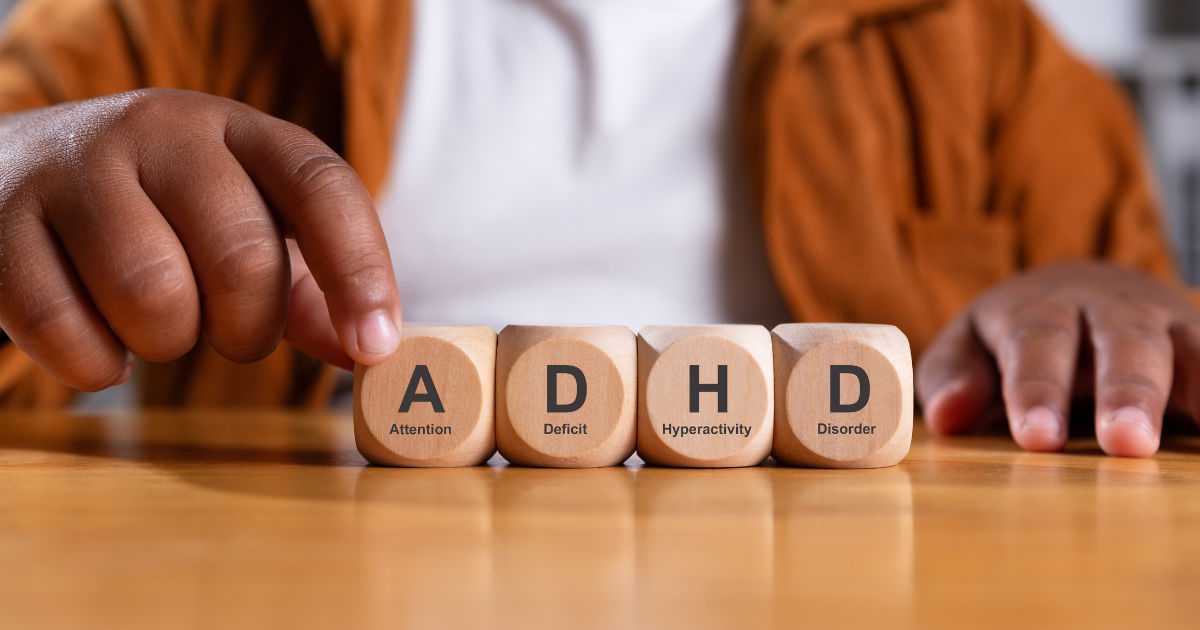
Learning how to Treat Your ADHD and Habits together can change how your brain works with your life, not against it.
ADHD affects attention, motivation, memory, and emotional control. These challenges show up in school, work, relationships, and self-esteem.
The good news is that habits shape behavior, and behavior shapes outcomes. When you focus on how to Treat Your ADHD and Habits at the same time, you begin to create structure where chaos once lived.
This guide explains how habit change supports brain function. It shows practical ways to Treat Your ADHD and Habits ( https://onlinemedspharmacy.com/buy-adderall-online/ )through daily routines, mindset shifts, and environmental design.
Everything here is written to be clear, realistic, and usable in everyday life.
How ADHD Affects Daily Life
ADHD is not about laziness or lack of intelligence. It is a difference in how the brain regulates attention and impulses. People with ADHD often struggle to start tasks, stay focused, and finish what they begin. These struggles can feel frustrating and confusing.
Daily life with ADHD often includes forgetfulness, procrastination, and emotional ups and downs. These patterns repeat because habits reinforce them. To Treat Your ADHD and Habits effectively, you must first understand how these patterns form.
ADHD brains crave stimulation. When tasks feel boring or overwhelming, the brain looks for easier rewards. This is why scrolling, gaming, or daydreaming feels so tempting. Habits grow around these behaviors, making them automatic.
Changing habits helps redirect attention and energy. Instead of fighting your brain, you learn to guide it. That is the foundation of learning to Treat Your ADHD and Habits in a healthy way.
Why Habits Matter More Than Motivation
Motivation is unreliable, especially for people with ADHD. Some days you feel driven, and other days you feel stuck. Habits remove the need for constant motivation. They create automatic actions that support your goals.
When you Treat Your ADHD and Habits together, you focus on systems instead of willpower. Systems are routines and cues that tell your brain what to do next. They reduce decision fatigue and stress.
Habits also help regulate emotions. Predictable routines create a sense of safety and control. This is important because ADHD often comes with emotional sensitivity.
By building strong habits, you reduce chaos. You make progress even on low-energy days. That is why habit change is one of the most effective ways to Treat Your ADHD and Habits long-term.
The Science Behind Habit Formation and ADHD
Habits are formed through repetition and reward. The brain creates neural pathways that make repeated actions easier over time. ADHD brains can form habits, but they need clearer rewards and stronger cues.
Dopamine plays a key role. ADHD brains often have lower dopamine activity, which affects motivation and focus. When you Treat Your ADHD and Habits with small rewards, you increase dopamine naturally.
Simple habits work better than complex ones. The ADHD brain responds best to clear, immediate feedback. This is why breaking tasks into small steps is so powerful.
Understanding the science helps remove shame. Struggles are not personal failures. They are brain-based challenges that can be managed when you Treat Your ADHD and Habits with patience and strategy.
Creating Morning Habits That Support Focus
Mornings set the tone for the day. A chaotic morning often leads to a distracted day. Creating a simple morning routine helps you Treat Your ADHD and Habits from the moment you wake up.
Start with consistency. Wake up at the same time each day, even on weekends. This regulates your internal clock and improves focus.
Prepare the night before. Lay out clothes, pack bags, and plan breakfast. Reducing morning decisions saves mental energy.
Include movement. Light exercise wakes up the brain and improves attention. Even five minutes can help Treat Your ADHD and Habits more effectively.
Keep your routine short. Long routines feel overwhelming and are harder to maintain. Simple habits done daily create lasting change.
Building Work and Study Habits That Stick
Work and school are common struggle areas for ADHD. Distractions, deadlines, and long tasks can feel impossible. The right habits make these demands manageable.
Use time blocks. Set short work periods with breaks in between. This method respects how the ADHD brain works.
Create a dedicated workspace. A clear environment reduces distractions. This is a key step to Treat Your ADHD and Habits successfully.
Use visual reminders. Checklists, timers, and calendars help keep tasks visible. Out of sight often means out of mind for ADHD brains.
Reward progress, not perfection. Celebrating small wins keeps motivation alive and supports your efforts to Treat Your ADHD and Habits daily.
Managing Digital Distractions Through Habit Change
Phones and screens are especially challenging for ADHD. They offer endless stimulation and instant rewards. Managing digital habits is essential.
Set clear boundaries. Designate times for checking messages and social media. This reduces constant interruptions.
Use technology wisely. Apps that block distractions or track time can support your goal to Treat Your ADHD and Habits.
Keep devices out of reach during focus time. Physical distance reduces temptation and helps build better habits.
Replace scrolling with intentional breaks. Choose activities that truly refresh you, like stretching or walking.
Digital habits shape attention. Changing them is a powerful way to Treat Your ADHD and Habits in the modern world.
Emotional Regulation Habits for ADHD
Emotions can feel intense with ADHD. Small frustrations may lead to big reactions. Emotional habits help create balance.
Practice pause habits. Taking a deep breath before reacting gives your brain time to respond instead of react.
Name your emotions. Putting feelings into words reduces their intensity and helps Treat Your ADHD and Habits emotionally.
Build calming routines. Evening wind-down habits improve sleep and emotional control.
Self-compassion is a habit too. Treating yourself kindly reduces stress and supports long-term change.
Emotional habits are just as important as productivity habits when you Treat Your ADHD and Habits fully.
Sleep Habits and Their Impact on ADHD
Sleep affects attention, mood, and memory. Poor sleep makes ADHD symptoms worse. Improving sleep habits is essential.
Set a consistent bedtime. Regular sleep schedules improve brain function.
Create a calming pre-sleep routine. Avoid screens and stimulating activities before bed.
Keep your sleep environment comfortable and dark. Small changes make a big difference.
Good sleep strengthens all other habits. It is a foundation for anyone trying to Treat Your ADHD and Habits effectively.
Nutrition and Movement as Daily Habits
What you eat and how you move affect brain health. Nutrition and exercise are powerful tools.
Eat regular meals. Skipping meals can worsen focus and mood.
Choose balanced foods. Protein and complex carbohydrates support steady energy.
Move daily. Physical activity boosts dopamine and improves attention.
These habits do not need to be extreme. Small, consistent choices help Treat Your ADHD and Habits naturally.
Breaking Bad Habits Without Shame
Everyone has habits they want to change. For ADHD, breaking bad habits requires understanding, not judgment.
Identify triggers. Notice what situations lead to unwanted behaviors.
Replace, do not remove. Swap bad habits with healthier alternatives.
Be patient. Habit change takes time, especially when learning to Treat Your ADHD and Habits.
Shame slows progress. Compassion speeds it up.
Staying Consistent When Motivation Fades
Consistency is hard with ADHD, but it is possible. The key is flexibility.
Expect setbacks. Missing a day does not erase progress.
Focus on restarting, not quitting. This mindset supports your goal to Treat Your ADHD and Habits long-term.
Adjust habits as needed. Life changes, and habits should too.
Support helps. Accountability partners and reminders keep habits alive.
Consistency grows through kindness and persistence.
Using Environment to Support Better Habits
Your environment shapes behavior. Designing it intentionally makes habits easier.
Keep important items visible. Visual cues support memory.
Reduce clutter. Fewer distractions improve focus.
Set up habit zones. Different spaces for work, rest, and play help Treat Your ADHD and Habits more effectively.
Environment is a silent partner in habit change.
How Long-Term Habit Change Transforms ADHD
Over time, small habits create big changes. Focus improves. Stress decreases. Confidence grows.
When you Treat Your ADHD and Habits consistently, life feels more manageable. Tasks feel less overwhelming.
Habits create structure. Structure creates freedom.
This transformation is gradual but real. Every small step counts.
Conclusion
Learning how to Treat Your ADHD and Habits is not about becoming someone else. It is about becoming more of who you already are, with support and structure.
ADHD is a lifelong condition, but suffering does not have to be. Habits offer a way to work with your brain instead of fighting it. Through consistent routines, supportive environments, and compassionate self-talk, you can Treat Your ADHD and Habits in a sustainable way.
The process takes time. There will be setbacks and adjustments. That is normal. What matters is continuing to show up for yourself.
By focusing on habits, you build a life that supports focus, emotional balance, and well-being. You create systems that carry you forward even on hard days. When you commit to Treat Your ADHD and Habits together, you open the door to lasting change, personal growth, and a more confident future.