
When it comes to electrical installations, whether at home, offices, or industrial settings, the importance of high-quality cables cannot be overstated. Choosing the right cable ensures safety, efficiency, and longevity.
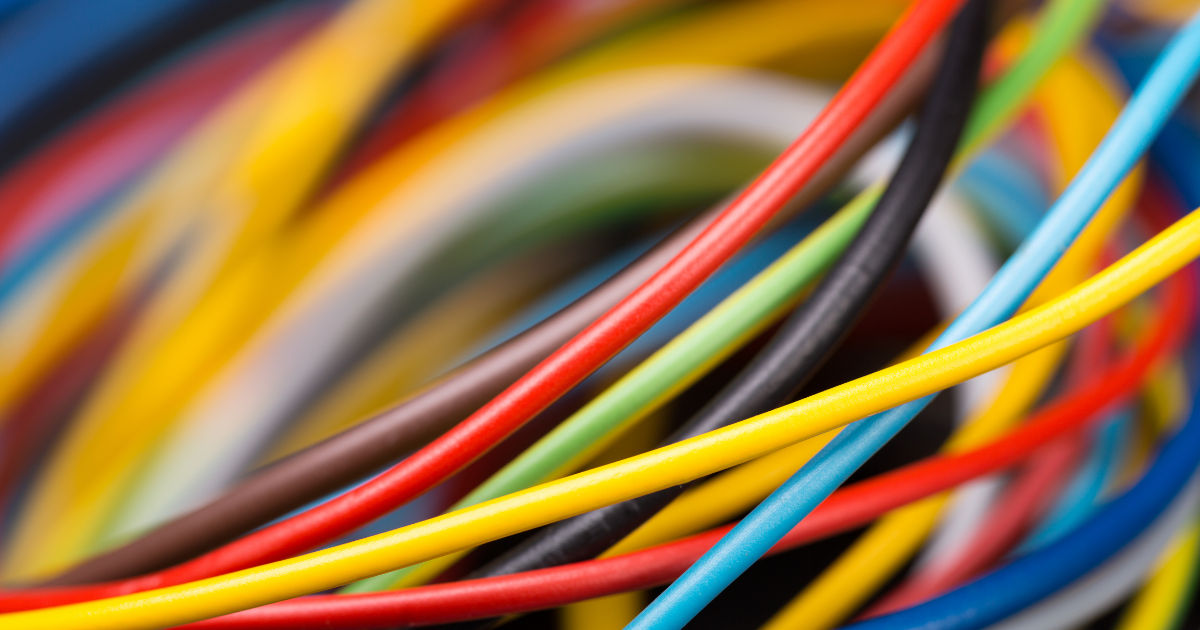 For anyone looking for reliable suppliers, a Fast Cables Supplier in Karachi can be a lifeline, providing access to the best-quality power cables that meet international standards.
In this comprehensive guide, we will explore power cable standards, their types, specifications, and what to consider when selecting them.
What Are Power Cables?
Power cables are insulated electrical conductors used to transmit electricity from one point to another. They are essential in delivering power safely and efficiently. Unlike simple wires, power cables are designed to handle high voltage and current levels while protecting the conductors from environmental and mechanical damage.
Power cables can be found in residential, commercial, and industrial settings. Whether it’s wiring a house, a factory, or even large-scale infrastructure, these cables are the backbone of electrical distribution.
Why Standards Matter in Power Cables
Standards are essential because they ensure consistency, safety, and compatibility. When you purchase a cable, you need to know it can handle the voltage, current, and environmental conditions it will be exposed to. Standards define:
-
Conductor material: Usually copper or aluminum.
-
Insulation type: PVC, XLPE, or rubber.
-
Voltage rating: Low, medium, or high voltage.
-
Temperature tolerance: Determines where it can be safely installed.
-
Flame retardancy: Ensures safety in case of fire.
A Fast Cables Supplier in Karachi usually stocks cables that comply with international standards like IEC, BS, or IEEE, ensuring customers receive reliable and safe products.
Common Power Cable Standards
There are multiple standards followed globally to regulate power cable manufacturing and performance. Some of the most common standards include:
1. IEC (International Electrotechnical Commission) Standards
IEC standards are internationally recognized. They define parameters such as conductor size, insulation, and voltage rating. For example, IEC 60502 specifies power cables for rated voltages up to 30 kV, commonly used in industrial and urban electrical grids.
2. BS (British Standards)
BS standards, like BS 5467 or BS 6724, are widely used in South Asia, including Pakistan. They set guidelines for cable construction, materials, and safety. Compliance with BS standards ensures reliability and legal adherence.
3. IEEE (Institute of Electrical and Electronics Engineers)
IEEE standards focus more on performance and safety, particularly for high-voltage and special-purpose cables. They provide detailed requirements for electrical, mechanical, and environmental performance.
4. UL (Underwriters Laboratories) Standards
UL standards are crucial in North America but are also recognized globally. They focus on safety and flame resistance. Cables with UL certification are tested rigorously to meet fire and electrical safety criteria.
Types of Power Cables
Understanding cable types helps you choose the right product for your project. Power cables are generally classified based on voltage, insulation, and application.
1. Low Voltage Cables
Low voltage cables are designed for voltages up to 1 kV. These are commonly used in homes and offices. Examples include:
-
Single-core PVC cables
-
Multi-core flexible cables
2. Medium Voltage Cables
Medium voltage cables operate between 1 kV to 33 kV. They are used for commercial buildings and industrial installations. Insulation types usually include XLPE or EPR.
3. High Voltage Cables
High voltage cables carry electricity above 33 kV and are mainly used in power transmission lines. They require robust insulation and mechanical strength to handle high voltages safely.
4. Armored and Non-Armored Cables
-
Armored cables: Designed to withstand mechanical stress and external damage, often used underground or in industrial areas.
-
Non-armored cables: Suitable for safer environments with less mechanical risk, such as inside buildings.
5. Flexible and Rigid Cables
-
Flexible cables: Used where movement is required, like in machinery.
-
Rigid cables: Fixed installations like wall wiring or underground transmission.
Conductor Materials
The conductor is the heart of any power cable. Choosing the right conductor material affects efficiency and durability.
Copper Conductors
Copper is the most common conductor material due to its excellent conductivity, flexibility, and durability. Copper cables are widely recommended for residential and commercial applications.
Aluminum Conductors
Aluminum is lighter and cheaper than copper but has lower conductivity. It is often used in high-voltage overhead power lines. Aluminum cables need careful installation to avoid oxidation and maintain good electrical contact.
Insulation and Sheath Materials
Cables are covered with insulation and a protective sheath to prevent electrical hazards.
1. PVC (Polyvinyl Chloride)
PVC is cost-effective, flame-retardant, and suitable for indoor applications. It can handle moderate temperatures and mechanical stress.
2. XLPE (Cross-Linked Polyethylene)
XLPE insulation offers higher temperature resistance and excellent electrical performance. It is ideal for medium and high voltage cables.
3. Rubber
Rubber-insulated cables are flexible and resistant to abrasion, making them suitable for industrial machinery and outdoor use.
4. PE (Polyethylene)
PE insulation is water-resistant, making it ideal for underground and outdoor applications.
Voltage Ratings and Applications
Power cables are rated for specific voltage levels. Using the wrong voltage rating can lead to overheating, insulation failure, and even fire hazards.
-
Low voltage (LV): Up to 1 kV, used in homes, offices, and small industries.
-
Medium voltage (MV): 1 kV to 33 kV, used in commercial and industrial setups.
-
High voltage (HV): Above 33 kV, used in power transmission and distribution.
Flame Retardancy and Safety Standards
Safety is a critical consideration in power cable selection. Flame retardant cables prevent the spread of fire and minimize damage in case of accidents.
-
FRLS (Flame Retardant Low Smoke) cables emit minimal smoke and toxic gases during a fire, enhancing safety.
-
FR (Flame Retardant) cables stop fire propagation but may produce more smoke.
A trusted Fast Cables Supplier in Karachi ensures that cables meet the required flame retardancy standards, providing peace of mind for residential and industrial projects.
Testing and Certification
Power cables must be tested to ensure they meet performance and safety standards. Common tests include:
-
Dielectric test: Measures insulation strength.
-
High voltage test: Checks the cable’s performance under operating voltage.
-
Thermal test: Ensures the cable withstands temperature variations.
-
Mechanical test: Confirms the cable’s durability and flexibility.
Certified cables from a Fast Cables Supplier in Karachi provide assurance that they have passed these rigorous tests and are safe for use.
Factors to Consider When Choosing a Power Cable
Choosing the right cable is crucial for safety, efficiency, and cost-effectiveness. Key factors include:
1. Current Carrying Capacity
The cable must handle the electrical load without overheating. Exceeding capacity can lead to insulation failure and fire hazards.
2. Voltage Rating
Always match the cable’s voltage rating with the application. Low voltage cables in high voltage applications are unsafe.
3. Environmental Conditions
Cables installed outdoors, underground, or in corrosive environments need specific insulation and armoring.
4. Flexibility and Installation Requirements
Flexible cables are ideal for machinery, while rigid cables are better for permanent installations.
5. Cost and Availability
While cost is important, prioritizing safety and quality is crucial. A reliable Fast Cables Supplier in Karachi balances quality and affordability.
Common Applications of Power Cables
Power cables are used in a wide range of applications, including:
-
Residential: Home wiring, lighting, and appliances.
-
Commercial: Offices, malls, hospitals, and schools.
-
Industrial: Factories, machinery, and heavy equipment.
-
Infrastructure: Roads, bridges, airports, and power transmission lines.
Each application demands specific cable types, voltage ratings, and insulation to ensure long-term reliability.
Maintenance of Power Cables
Regular maintenance extends the life of power cables and prevents failures. Some key practices include:
-
Inspect cables for physical damage.
-
Check for overheating signs.
-
Ensure connectors and joints are tight.
-
Replace old or damaged insulation.
Maintenance becomes easier when you source cables from a Fast Cables Supplier in Karachi who offers support and warranty.
Emerging Trends in Power Cable Technology
The power cable industry is evolving with new technologies:
-
Eco-friendly cables: Insulation with lower environmental impact.
-
Smart cables: Embedded sensors for monitoring current and temperature.
-
High-performance insulation: Materials that tolerate extreme temperatures and conditions.
-
Underground power distribution: More cities are moving to underground cables for aesthetics and safety.
These innovations ensure safer, more efficient, and reliable electrical networks.
Choosing a Reliable Supplier
Selecting a reliable supplier ensures quality, compliance with standards, and timely delivery. A good Fast Cables Supplier in Karachi provides:
-
Certified and tested cables.
-
A range of products for different voltage levels and applications.
-
Technical support and advice.
-
Warranty and after-sales service.
Working with a trusted supplier minimizes risks associated with electrical installations and ensures peace of mind.
Conclusion
Understanding power cable standards is vital for anyone involved in electrical installations. Standards ensure safety, reliability, and efficiency in transmitting electricity. By knowing the types of cables, their conductor materials, insulation, voltage ratings, and safety standards, consumers and businesses can make informed decisions.
Partnering with a Fast Cables Supplier in Karachi guarantees access to high-quality, certified cables that comply with international standards. Whether it’s for residential, commercial, or industrial projects, choosing the right cable and supplier ensures long-term safety and performance.
Investing time in understanding cable standards and selecting the right products can prevent costly accidents, downtime, and replacements. It also contributes to the overall efficiency of electrical systems and supports sustainable energy distribution.
With careful consideration of cable types, materials, and applications, along with support from a trusted supplier, electrical installations can be both safe and efficient.