
The food packaging industry has experienced tremendous growth over the years. As consumer demand for ready-to-eat snacks continues to increase, manufacturers require efficient equipment to package products quickly and accurately. One of the most important machines used in snack production facilities is the Snacks Packing Machine. This machine plays a crucial role in ensuring that products such as Kurkure, chips, namkeen, and other crunchy snacks reach consumers in fresh and safe condition.
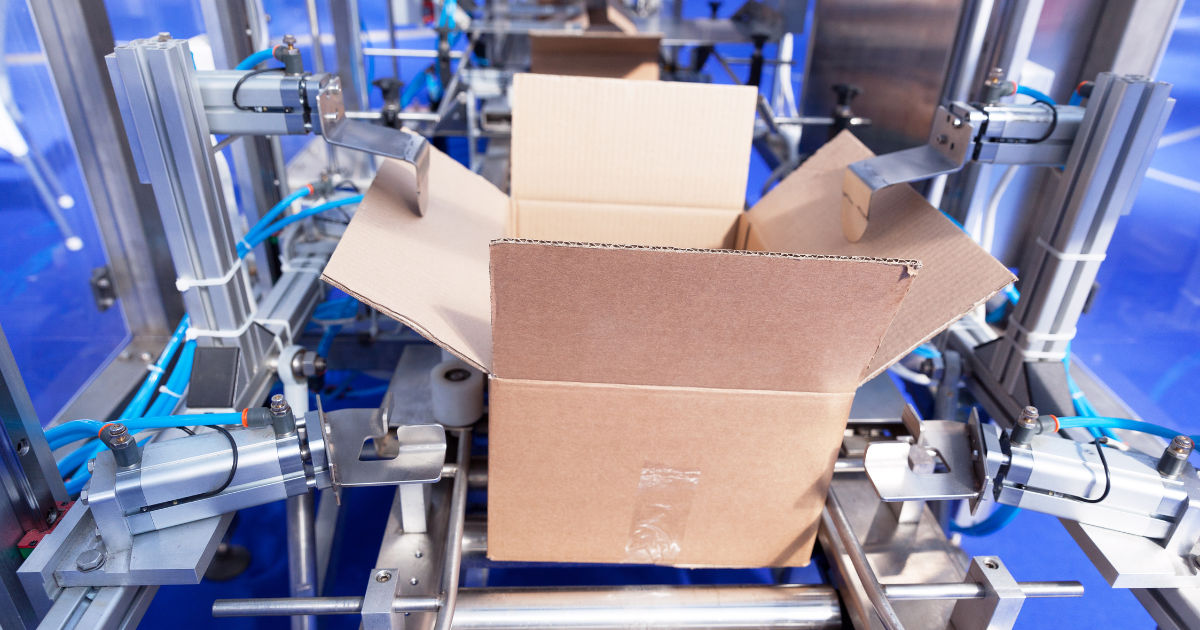
A Snacks Packing Machine is designed to automate the packaging process, reducing manual labor while increasing productivity. Kurkure, being a popular puffed corn snack, requires careful handling during packaging to maintain its shape, freshness, and flavor. Modern packaging systems use advanced technology to measure, fill, seal, and pack snack products with precision.
Understanding how a Kurkure packing machine operates can help manufacturers improve efficiency and maintain product quality. This guide explores the working principles, components, benefits, and operational steps of a Kurkure packing machine in detail.
What Is a Kurkure Packing Machine?
A Kurkure packing machine is an automated packaging system designed specifically for packing puffed snacks, extruded snacks, and similar food products. It measures a specific quantity of snacks, fills them into packaging pouches, seals the bags, and prepares them for distribution.
A modern Snacks Packing Machine can package hundreds of snack packets every minute while maintaining accuracy and consistency. These machines are widely used in food manufacturing plants, snack factories, and packaging facilities.
The primary goal of a packaging machine is to protect the product from moisture, air, contamination, and damage during transportation and storage.
Why Packaging Is Important for Kurkure
Packaging is not just about putting snacks into a bag. It serves several important purposes.
Preserves Freshness
Proper packaging prevents moisture and oxygen from entering the packet. This helps maintain the crispy texture and taste of Kurkure.
Protects Product Quality
A high-quality Snacks Packing Machine ensures that the product remains safe from contamination and external damage.
Enhances Shelf Life
Well-sealed packaging extends the product's shelf life, allowing manufacturers to distribute products over larger distances.
Improves Brand Presentation
Packaging provides space for branding, nutritional information, ingredients, and promotional content.
Increases Production Efficiency
Automated packaging systems can handle large production volumes with minimal human intervention.
Main Components of a Kurkure Packing Machine
A Kurkure packing machine consists of several key components working together.
Feeding System
The feeding system transfers Kurkure from the production line to the packaging machine. It ensures a continuous supply of snacks for packaging.
Multihead Weigher
This component accurately measures the required quantity of Kurkure for each packet.
The multihead weigher uses multiple weighing buckets to determine the correct combination that achieves the target weight with high accuracy.
Vertical Form Fill Seal System
The Vertical Form Fill Seal (VFFS) system is the heart of the Snacks Packing Machine.
It performs three primary functions:
- Forms the pouch
- Fills the pouch
- Seals the pouch
Film Roll Holder
The packaging material is supplied through a film roll. The machine pulls the film and shapes it into pouches.
Sealing Unit
The sealing unit uses heat and pressure to create airtight seals.
Control Panel
Operators use the control panel to adjust settings such as pouch size, weight, speed, and temperature.
Discharge Conveyor
After packaging, the finished packets are transferred to the next stage through a conveyor system.
How Does a Kurkure Packing Machine Operate?
The operation of a Kurkure packing machine involves multiple automated steps.
Step 1: Feeding the Product
The process begins when freshly produced Kurkure enters the feeding system.
A conveyor or elevator transports the snacks to the weighing section.
The feeding system maintains a steady flow of product to ensure uninterrupted packaging.
Step 2: Product Weighing
The snacks enter the multihead weigher.
Each weighing bucket receives a portion of Kurkure. The machine's computer calculates the best combination of buckets to achieve the desired packet weight.
This high-precision weighing system helps reduce product wastage and ensures consistency.
The accuracy provided by a modern Snacks Packing Machine is one of its biggest advantages.
Step 3: Film Unwinding
Simultaneously, the packaging film roll begins unwinding.
The machine pulls the film from the roll at a controlled speed.
Printed films containing brand logos and product information are aligned using sensors to ensure proper positioning.
Step 4: Pouch Formation
The film passes through a forming collar.
The collar folds the flat film into a tube shape.
The edges overlap and are sealed vertically, creating the pouch structure.
This is where the packet begins to take shape.
Step 5: Filling Process
Once the pouch is formed, the weighed quantity of Kurkure is released into the pouch.
The product falls through a filling tube directly into the packet.
The filling process is synchronized with pouch formation to maximize efficiency.
Step 6: Sealing the Packet
After filling, the machine seals the top portion of the pouch.
Heat sealing bars apply pressure and temperature to create strong airtight seals.
This sealing process preserves freshness and prevents contamination.
The sealing quality of a Snacks Packing Machine significantly affects product shelf life.
Step 7: Cutting and Separation
Once sealed, the machine cuts the pouch from the continuous film.
Each packet becomes an individual unit ready for distribution.
Advanced machines ensure clean and precise cuts.
Step 8: Quality Inspection
Many modern systems include inspection equipment.
These systems verify:
- Correct weight
- Proper sealing
- Accurate printing
- Packet integrity
Defective packets are automatically removed from the production line.
Step 9: Discharge and Collection
The finished packets move to a conveyor system.
From there, they may be packed into cartons for shipping.
The entire process operates continuously, allowing the Snacks Packing Machine to package large quantities efficiently.
Types of Kurkure Packing Machines
Different packaging machines are available depending on production requirements.
Semi-Automatic Machines
Semi-automatic machines require some manual assistance.
These machines are suitable for small businesses and startups.
Advantages include:
- Lower investment cost
- Simple operation
- Easy maintenance
Fully Automatic Machines
Fully automatic systems perform all packaging operations independently.
Benefits include:
- High speed
- Greater accuracy
- Reduced labor costs
- Consistent performance
A fully automatic Snacks Packing Machine is ideal for large-scale production facilities.
High-Speed Packaging Machines
High-speed machines are designed for mass production.
They can package hundreds of packets per minute.
These machines are commonly used by major snack manufacturers.
Technologies Used in Modern Kurkure Packing Machines
Packaging technology continues to evolve.
PLC Control Systems
Programmable Logic Controllers manage machine operations automatically.
They improve accuracy and reliability.
Touchscreen Interfaces
Modern machines feature user-friendly touchscreens.
Operators can quickly adjust settings and monitor performance.
Servo Motor Technology
Servo motors provide precise movement control.
This improves packaging consistency and reduces errors.
Smart Sensors
Sensors detect:
- Film position
- Product flow
- Seal quality
- Weight accuracy
These sensors help optimize the performance of the Snacks Packing Machine.
Automated Error Detection
Advanced systems automatically identify and correct operational issues.
This minimizes downtime and increases productivity.
Benefits of Using a Kurkure Packing Machine
There are numerous advantages to using automated packaging equipment.
Higher Productivity
Machines operate continuously with minimal interruptions.
This significantly increases production output.
Improved Accuracy
The machine delivers consistent product weight in every packet.
Reduced Labor Costs
Automation reduces dependence on manual labor.
Better Hygiene
Minimal human contact helps maintain food safety standards.
Reduced Product Waste
Accurate weighing systems reduce overfilling and product loss.
Enhanced Product Quality
A modern Snacks Packing Machine ensures reliable sealing and attractive packaging.
Consistent Packaging Appearance
Uniform packaging improves brand image and customer satisfaction.
Factors Affecting Machine Performance
Several factors influence machine efficiency.
Product Characteristics
The size, shape, and texture of Kurkure affect machine settings.
Packaging Material Quality
High-quality film improves sealing and durability.
Machine Maintenance
Regular maintenance ensures smooth operation and reduces breakdowns.
Operator Training
Well-trained operators can maximize machine performance.
Environmental Conditions
Temperature and humidity can affect packaging quality.
Proper environmental control is important for consistent results.
Common Packaging Materials Used
Several packaging materials are used for Kurkure products.
Laminated Films
These provide excellent barrier protection against moisture and air.
Metallized Films
Metallized films offer enhanced shelf-life protection.
Multi-Layer Packaging
Multi-layer structures combine strength, flexibility, and protection.
The choice of material depends on product requirements and storage conditions.
A high-performance Snacks Packing Machine can work with a variety of packaging materials.
Maintenance of a Kurkure Packing Machine
Proper maintenance is essential for reliable performance.
Daily Cleaning
Cleaning prevents dust and product buildup.
Inspection of Sealing Components
Heat sealing elements should be checked regularly.
Lubrication
Moving parts require proper lubrication to reduce wear.
Sensor Calibration
Sensors should be calibrated periodically to maintain accuracy.
Software Updates
Modern machines may require software updates to improve functionality.
Regular maintenance helps extend the lifespan of a Snacks Packing Machine.
Safety Measures During Operation
Safety is a critical consideration in packaging operations.
Follow Manufacturer Guidelines
Operators should always follow operating instructions.
Wear Protective Equipment
Proper safety gear reduces workplace risks.
Avoid Contact with Moving Parts
Machine guards should remain in place during operation.
Conduct Routine Inspections
Regular inspections help identify potential hazards.
Emergency Stop Systems
Emergency stop buttons should remain accessible at all times.
Implementing these safety measures protects both workers and equipment.
Future Trends in Snack Packaging Machines
The packaging industry is rapidly evolving.
Artificial Intelligence
AI systems can optimize packaging performance and predict maintenance needs.
Smart Manufacturing
Connected machines provide real-time production monitoring.
Sustainable Packaging
Manufacturers are increasingly using environmentally friendly materials.
Energy-Efficient Systems
Modern machines consume less energy while maintaining high productivity.
Robotics Integration
Robotic systems improve automation and reduce manual handling.
Future developments will make the Snacks Packing Machine even more efficient and intelligent.
Choosing the Right Kurkure Packing Machine
Selecting the right machine depends on several factors.
Production Capacity
Choose a machine that matches production requirements.
Budget
Consider both initial investment and operating costs.
Packaging Style
Different machines support different pouch designs.
Automation Level
Determine whether semi-automatic or fully automatic equipment is required.
After-Sales Support
Reliable technical support ensures long-term performance.
Expansion Possibilities
Choose equipment that can accommodate future business growth.
A carefully selected Snacks Packing Machine can significantly improve productivity and profitability.
Conclusion
A Kurkure packing machine is an essential piece of equipment in modern snack manufacturing. It automates the entire packaging process, from weighing and filling to sealing and packet discharge. By combining advanced technologies such as multihead weighers, servo motors, smart sensors, and automated control systems, these machines ensure speed, accuracy, and consistency.
The operation begins with feeding the product into the machine, followed by precise weighing, pouch formation, filling, sealing, cutting, and quality inspection. Every stage is carefully synchronized to maximize efficiency and maintain product freshness. As consumer demand for packaged snacks continues to grow, manufacturers increasingly rely on a Snacks Packing Machine to meet production targets while maintaining high standards of quality and hygiene.
Modern packaging equipment not only reduces labor costs and product waste but also improves overall operational efficiency. With ongoing advancements in automation, artificial intelligence, and sustainable packaging technologies, the future of snack packaging looks even more promising. Investing in a reliable Snacks Packing Machine can help snack manufacturers improve productivity, enhance product quality, strengthen brand reputation, and achieve long-term business success.