
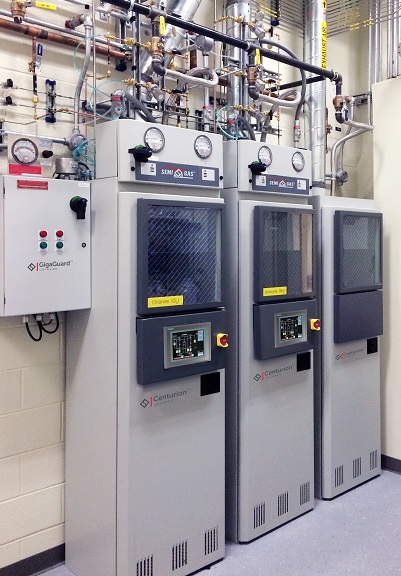
In today's rapidly evolving industrial landscape, precision and reliability are paramount, particularly in sectors like semiconductor manufacturing, pharmaceuticals, biotechnology, and aerospace. One of the most critical components ensuring precision in these industries is the purity gas delivery system. These systems are designed to provide ultra-high purity gases, which are integral to processes requiring exacting standards and minimal contamination. Ensuring uncompromised precision through advanced gas delivery systems can significantly influence product quality, operational efficiency, and safety. This article explores the pivotal role these systems play in maintaining high standards in a variety of industrial applications.
Understanding Purity Gas Delivery Systems
Purity gas delivery systems are engineered to supply gases in a controlled and clean environment, where even the smallest amount of contamination can have a detrimental effect. These systems include components like regulators, filtration units, pipelines, valves, and pressure sensors, all designed to work together to deliver gases at the required purity level. Industries that require high purity gases typically deal with gases like nitrogen, oxygen, hydrogen, and specialty gases, each serving different functions depending on the application.
For instance, in semiconductor fabrication, gases are used to create specific environments for etching, deposition, and oxidation processes. In these highly sensitive operations, even trace impurities in the gas can lead to defects in the semiconductor wafers, negatively affecting performance and yield. This underscores the importance of having a purity gas delivery system capable of maintaining the required cleanliness.
Role in Semiconductor Manufacturing
Semiconductor manufacturing is one of the most sensitive applications requiring ultra-high purity gases. Here, even the slightest contamination can compromise the entire process, resulting in defective products and significant financial losses. Gases such as nitrogen, hydrogen, and argon are used extensively to create vacuum conditions, purge systems, and assist in chemical vapor deposition (CVD) processes. The precision of these gases is critical, as impurities such as moisture or particulate matter can alter the reactions or interfere with the deposition processes, leading to failures or subpar products.
Purity gas delivery systems in this sector are designed with multiple filtration and purification stages, including activated carbon filters, molecular sieves, and high-efficiency particulate air (HEPA) filters. These systems ensure that only gases of the required purity levels reach the production environment, safeguarding the integrity of each semiconductor.
Importance in Pharmaceuticals and Biotechnology
The pharmaceutical and biotechnology industries rely on purity gas delivery systems for processes such as drug synthesis, fermentation, and analytical testing. These sectors require gases like carbon dioxide, oxygen, nitrogen, and medical-grade gases to maintain controlled environments, manage bioreactor conditions, and for use in laboratory instruments. Contaminants in gases used for these purposes can introduce variability in experiments, affect the production of biologics, or compromise the sterility of pharmaceutical products.
In pharmaceutical manufacturing, purity gas delivery systems must adhere to strict regulatory standards set by organizations like the U.S. Food and Drug Administration (FDA) and the European Medicines Agency (EMA). These systems are designed to meet Good Manufacturing Practice (GMP) standards and are often equipped with monitoring systems to detect potential contaminants in real-time, ensuring that the gases being supplied meet the necessary standards for production.
Gas Delivery in Aerospace and Other High-Precision Industries
In industries such as aerospace and defense, purity gas delivery systems are integral to the production and testing of components like rocket engines, turbines, and advanced electronics. Gases like nitrogen and hydrogen are used to test materials under high pressure and temperature conditions. These tests require gases that are free from impurities, as even a minor contamination can skew test results, potentially compromising the safety and functionality of critical systems.
Furthermore, purity gas systems are used in advanced welding processes, where a controlled atmosphere is essential to prevent oxidation or contamination of materials. In these high-stakes environments, the reliability of gas delivery systems is non-negotiable.
Ensuring Precision Through Regular Maintenance and Monitoring
To maintain uncompromised precision, it is essential that Ultra High Purity Gas Delivery System s undergo regular maintenance and rigorous monitoring. Over time, filters may degrade, seals may wear, and components may experience malfunction. Regular inspection ensures that these systems continue to perform optimally, preventing contamination that could lead to costly errors or failures.
Modern purity gas delivery systems are often equipped with automated monitoring systems that track key parameters like pressure, temperature, and gas flow rates. These monitoring systems provide real-time data to operators, allowing for immediate detection of any issues and enabling preventive maintenance to avoid unplanned downtime or failures.
Conclusion
In industries where precision is critical, purity gas delivery systems serve as the unsung heroes that enable manufacturers to meet stringent quality standards. From semiconductor production to pharmaceutical development and aerospace testing, the role of these systems cannot be overstated. By ensuring that gases are delivered with uncompromised purity, these systems not only safeguard product quality and operational efficiency but also help prevent costly defects, delays, and safety hazards. As industries continue to push the boundaries of innovation, purity gas delivery systems will remain an essential part of maintaining the integrity of advanced manufacturing processes.