
Humidity control is a silent but critical part of protecting everyday items. From medicines and electronics to leather goods and packaged foods, moisture can slowly cause damage that is often noticed too late.
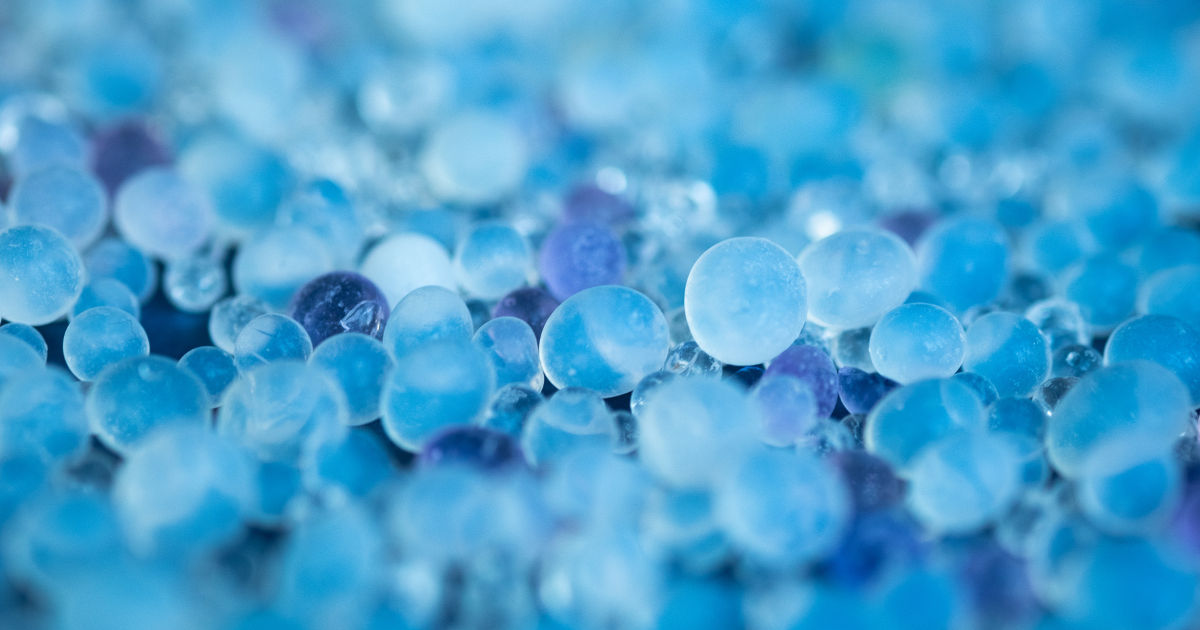
One of the most reliable and widely used solutions for moisture control is Blue Silica Gel. You may have seen small packets labeled “Do Not Eat” inside boxes, bottles, or containers. Those packets often contain Blue Silica Gel, a powerful moisture-absorbing material designed to protect products from humidity-related damage.
This comprehensive guide explains how Blue Silica Gel works, why it is blue, how it controls humidity, and where it is commonly used. Written for a 12th-grade audience, this article uses clear language, short paragraphs, and practical examples to help you understand the science and real-world importance of Blue Silica Gel.
Humidity and Why It Matters
Humidity refers to the amount of water vapor present in the air. High humidity means the air contains more moisture, while low humidity means it contains less. Excess humidity can cause serious problems over time.
Moisture in the air can lead to mold growth, corrosion of metals, swelling of wood, damage to electronics, and spoilage of food and medicines. Even a small increase in humidity inside a sealed container can cause gradual deterioration.
This is where Blue Silica Gel becomes essential. By controlling moisture levels, Blue Silica Gel helps maintain a dry and stable environment, preventing damage before it starts.
What Is Blue Silica Gel?
Blue Silica Gel is a granular, porous form of silicon dioxide. It is created from sodium silicate and sulfuric acid, forming hard beads with millions of tiny pores. These pores are the key to its moisture-absorbing ability.
What makes Blue Silica Gel different from regular silica gel is its color indicator. The blue color comes from a moisture-sensitive dye, traditionally cobalt chloride, which changes color when it absorbs water. This color change allows users to easily see when the gel has reached its moisture capacity.
Blue Silica Gel is not liquid, despite the word “gel.” It is a solid material with an extremely high surface area, making it very effective at trapping water vapor from the air.
Why Is Blue Silica Gel Blue?
The blue color in Blue Silica Gel serves an important purpose. It is not just for appearance. The color comes from an indicator that reacts to moisture.
When Blue Silica Gel is dry, it appears deep blue. As it absorbs humidity, the color gradually changes to light blue and then to pink or pale purple, depending on the formulation. This visual signal tells users when the gel is saturated and needs to be replaced or regenerated.
This color-changing feature makes Blue Silica Gel especially useful in industrial, laboratory, and storage environments where monitoring humidity levels is important.
The Science Behind How Blue Silica Gel Controls Humidity
Blue Silica Gel controls humidity through a process called adsorption. Adsorption is different from absorption. Instead of soaking up moisture like a sponge, Blue Silica Gel attracts and holds water molecules on its surface.
Each bead of Blue Silica Gel contains countless microscopic pores. These pores create a massive surface area where water molecules can attach. When humid air comes into contact with the gel, water vapor sticks to the surface of the pores.
This process continues until the pores are filled or the surrounding air becomes dry enough to stop the transfer of moisture. In this way, Blue Silica Gel actively reduces humidity in enclosed spaces.
Adsorption vs Absorption Explained Simply
Understanding adsorption helps explain why Blue Silica Gel is so effective.
Absorption happens when a material takes in liquid and changes internally, like a towel soaking up water. Adsorption happens when molecules stick to the surface of a material without changing its structure.
Blue Silica Gel uses adsorption. Water molecules cling to the surface of the silica particles. This makes the process fast, efficient, and reversible, allowing the gel to be reused through regeneration.
How Blue Silica Gel Reacts to Different Humidity Levels
Blue Silica Gel responds directly to the moisture level in the air. In high-humidity environments, it absorbs moisture quickly. In lower humidity conditions, absorption slows down.
This makes Blue Silica Gel self-regulating. It does not release moisture unless heated. Instead, it maintains a balance by capturing excess water vapor, helping stabilize humidity levels.
Because of this behavior, Blue Silica Gel is ideal for sealed or semi-sealed environments such as boxes, cabinets, storage containers, and packaging.
How Much Moisture Can Blue Silica Gel Absorb?
Blue Silica Gel can absorb up to 40% of its own weight in moisture under optimal conditions. This impressive capacity makes it one of the most effective desiccants available.
The exact amount of moisture absorbed depends on factors such as temperature, humidity level, airflow, and exposure time. Higher humidity and warmer temperatures usually increase the absorption rate.
This high capacity is why even small packets of Blue Silica Gel can protect items for long periods.
The Role of Temperature in Humidity Control
Temperature plays an important role in how Blue Silica Gel works. Warm air holds more moisture than cold air. When warm, humid air enters a container, Blue Silica Gel quickly adsorbs the water vapor.
At lower temperatures, moisture movement slows down. However, Blue Silica Gel continues to function effectively across a wide temperature range.
This makes Blue Silica Gel suitable for use in different climates, from hot and humid regions to cooler storage environments.
Common Uses of Blue Silica Gel
Blue Silica Gel is used in many industries and everyday situations. Its ability to control humidity makes it highly versatile.
It is commonly found in packaging for electronics, shoes, handbags, and clothing. It protects metal parts from rust and corrosion. It is also used in pharmaceutical bottles to keep medicines dry and effective.
In laboratories, Blue Silica Gel is used to protect sensitive instruments and chemicals. In shipping and storage, it prevents moisture damage during long transport periods.
Blue Silica Gel in Electronics Protection
Electronics are highly sensitive to moisture. Humidity can cause corrosion, short circuits, and component failure.
Blue Silica Gel is often placed inside electronic packaging to absorb moisture before it reaches delicate circuits. This is especially important during shipping, where temperature changes can cause condensation.
By controlling humidity, Blue Silica Gel extends the lifespan and reliability of electronic devices.
Use of Blue Silica Gel in Food and Medicine Packaging
Food and medicines must be kept dry to maintain quality and safety. Moisture can cause clumping, spoilage, and reduced effectiveness.
Blue Silica Gel helps control humidity inside sealed packaging. This prevents moisture buildup and protects products from damage. In medicine bottles, it helps maintain the correct environment for tablets and capsules.
Although Blue Silica Gel is not edible, it is safe when used correctly in packaging.
Blue Silica Gel in Industrial and Warehouse Settings
In industrial environments, humidity control is critical. Machinery, tools, and raw materials can all be damaged by moisture.
Blue Silica Gel is used in storage cabinets, toolboxes, and shipping containers. Its color indicator allows workers to quickly see when it needs replacement or regeneration.
This simple visual system improves efficiency and reduces the risk of moisture-related losses.
How Blue Silica Gel Helps Prevent Mold and Corrosion
Mold and corrosion both thrive in moist environments. Mold needs moisture to grow, while corrosion occurs when metal reacts with water and oxygen.
By reducing humidity, Blue Silica Gel creates conditions that slow or stop these processes. Dry air makes it difficult for mold spores to grow and prevents the chemical reactions that cause rust.
This makes Blue Silica Gel an effective preventive tool rather than a reactive solution.
Regenerating and Reusing Blue Silica Gel
One major advantage of Blue Silica Gel is that it can be reused. Once the gel changes color, it can be regenerated by heating.
Heating drives off the adsorbed moisture, restoring the gel to its original blue color. This can be done in an oven at low temperatures, following safety guidelines.
The ability to regenerate Blue Silica Gel makes it cost-effective and environmentally friendly.
Safety Considerations When Using Blue Silica Gel
While Blue Silica Gel is very useful, it must be handled properly. The indicator dye used in traditional Blue Silica Gel contains cobalt chloride, which can be toxic if ingested.
For this reason, Blue Silica Gel should never be eaten and should be kept away from children and pets. Many modern alternatives now use safer indicator dyes, but caution is still important.
Always follow manufacturer instructions when handling or regenerating Blue Silica Gel.
Environmental Impact of Blue Silica Gel
Blue Silica Gel is considered relatively environmentally friendly because it is reusable and non-reactive. It does not release harmful chemicals during normal use.
However, disposal should be done responsibly, especially if the gel contains cobalt-based indicators. Reusing and regenerating Blue Silica Gel reduces waste and environmental impact.
As technology advances, safer and more sustainable versions of Blue Silica Gel continue to be developed.
Comparing Blue Silica Gel to Other Desiccants
There are several types of desiccants, including activated clay and molecular sieves. Each has its own strengths.
Blue Silica Gel stands out because of its high adsorption capacity and color-changing indicator. This makes it easier to monitor and manage humidity levels.
While other desiccants may work faster or hold more moisture under certain conditions, Blue Silica Gel remains one of the most balanced and widely used options.
Why Blue Silica Gel Is Still Widely Used Today
Despite newer technologies, Blue Silica Gel remains popular because it is reliable, affordable, and easy to use. Its visible color change provides instant feedback without special equipment.
From households to industries, Blue Silica Gel continues to play a key role in humidity control. Its proven performance and versatility make it a trusted solution worldwide.
Limitations of Blue Silica Gel
While effective, Blue Silica Gel does have limitations. It works best in enclosed spaces and may be less effective in open environments with constant airflow.
It also has a finite capacity and must be replaced or regenerated once saturated. Understanding these limits helps users apply Blue Silica Gel correctly and efficiently.
Practical Tips for Using Blue Silica Gel Effectively
To get the best results, use the right amount of Blue Silica Gel for the size of the space. Place it where air can circulate freely around it.
Check the color regularly to monitor saturation. Regenerate or replace the gel when it changes color to maintain effective humidity control.
Proper placement and monitoring ensure long-lasting protection.
Future Developments in Silica Gel Technology
Research continues to improve silica gel materials. New indicators, higher adsorption capacities, and safer formulations are being developed.
These advancements aim to make Blue Silica Gel even more efficient, safer, and environmentally friendly. As humidity control becomes more important in global supply chains, the role of Blue Silica Gel is likely to expand.
Conclusion
Blue Silica Gel plays a crucial role in controlling humidity by using the science of adsorption to trap moisture from the air. Its unique porous structure, combined with a visible color-changing indicator, makes it both effective and easy to use. By reducing excess humidity, Blue Silica Gel protects products from mold, corrosion, spoilage, and degradation.
From electronics and medicines to industrial tools and everyday goods, Blue Silica Gel helps maintain dry, stable environments where moisture could otherwise cause serious damage. Its ability to be regenerated and reused adds to its value, making it a cost-effective and practical solution.
Understanding how Blue Silica Gel controls humidity allows individuals and industries to use it more effectively. When applied correctly, Blue Silica Gel is a simple yet powerful tool that quietly safeguards quality, safety, and longevity in countless applications.