
The phrase Sim Owner Details attracts a lot of attention online because people often want to verify who a SIM card belongs to or check whether their own number is properly registered.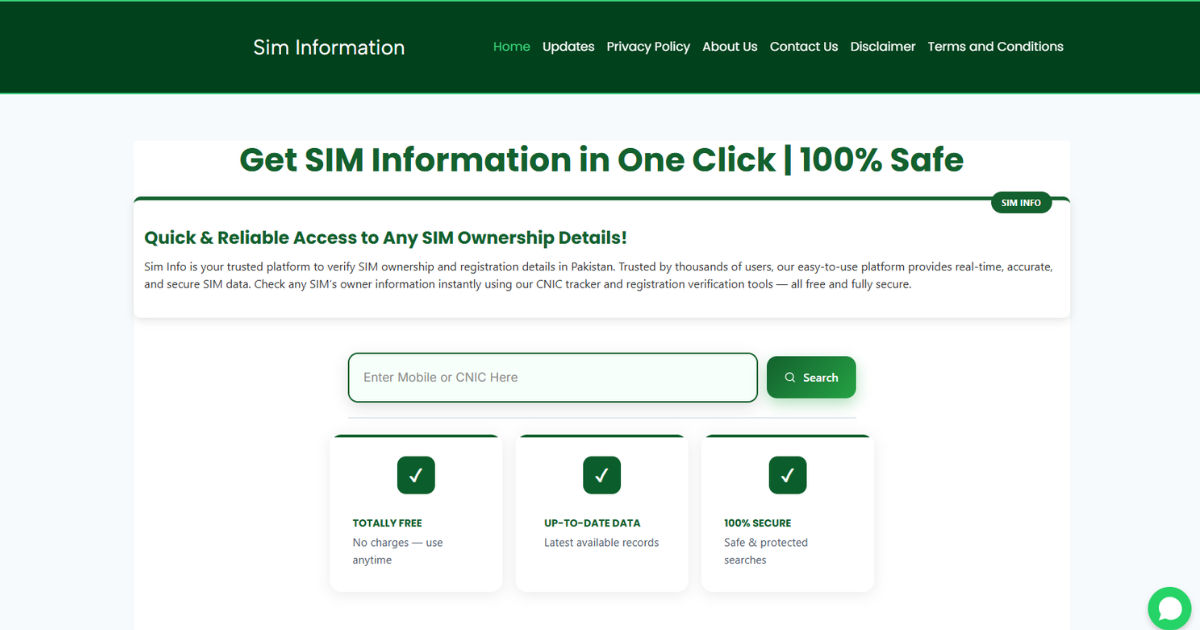
However, very few people understand what a SIM registration database actually is, how it works, or how dangerous unauthorized lookups can be. Many websites promise access to such information, but most of them are misleading, unsafe, or illegal to use.
This comprehensive guide explains everything you need to know about how SIM registration systems operate, how you can safely verify your own Sim Owner Details through official channels, why unauthorized tools are harmful, and what steps to take to protect your identity. Written in clear, simple language for a 12th‑grade audience, it provides a complete overview without technical jargon.
Understanding What Sim Owner Details Really Means
When people search for Sim Owner Details, they usually want to know what information is linked to a mobile number. In legitimate environments, the term simply refers to the data submitted by a user when registering a SIM card with a telecom operator. This may include:
-
Full name
-
National identification number
-
Date of birth
-
Address
-
Biometric verification (in some countries)
-
Alternate contact information
Telecom companies collect and store this information to comply with national security regulations, reduce fraud, and prevent misuse.
However, this database is never publicly available. It is protected by law and can only be accessed by authorized personnel, law‑enforcement agencies, or the SIM owner themselves through official channels.
Why People Search for These Databases
Many individuals search for Sim Owner Details databases for reasons such as:
-
Wanting to confirm whether their own number is registered properly
-
Trying to check a number that repeatedly calls them
-
Investigating spam or suspicious communication
-
Attempting to verify the authenticity of an online contact
While some of these intentions may be understandable, accessing someone else’s data without permission is illegal in most countries. The correct approach is always to rely on lawful pathways.
The Legal Framework Behind SIM Registration
Countries across the world require SIM cards to be registered under real identities. This helps prevent crimes such as fraud, extortion, identity theft, and untraceable communication. As a result, telecom operators maintain secure databases containing user information.
Access to these databases is controlled by:
-
National telecommunications authorities
-
Licensed telecom operators
-
Law enforcement (only with valid authorization)
Unauthorized access, sharing, or purchase of Sim Owner Details is prohibited and can lead to serious consequences.
Common Myths About Sim Owner Details Databases
The internet is full of misinformation about SIM lookups. Here are some common myths:
Myth 1: There is a public website where you can search any number
Reality: No country allows unrestricted access to personal telecom information.
Myth 2: Mobile apps can show you the name of any number’s owner
Reality: Most apps use crowd‑sourced data or spam reports, not real telecom records.
Myth 3: “Hacking” tools can reveal private SIM details
Reality: These tools are scams designed to steal your information.
Myth 4: Social media profiles can be used to access Sim Owner Details
Reality: Social platforms cannot access telecom operator databases.
Understanding these myths helps protect users from fraud and misuse.
How Telecom Sim Owner Details Databases Actually Work
A telecom operator maintains a centralized, encrypted system that stores subscriber information. When you purchase a SIM card, your information is collected and verified through:
-
Government ID scanning
-
Biometric checks (in some countries)
-
Digital verification platforms
Once completed, your Sim Owner Details are recorded along with the SIM’s unique identifiers such as:
-
IMSI (International Mobile Subscriber Identity)
-
ICCID (Integrated Circuit Card Identifier)
-
Phone number
-
Activation date
You can retrieve your own information using official telecom services. However, accessing someone else’s details requires legal authorization.
Why Unofficial Lookup Tools Are Dangerous
Many websites claim that they can retrieve Sim Owner Details for any number. These sites often:
-
Steal user data
-
Infect devices with malware
-
Show fake results
-
Ask for payment to unlock nonexistent databases
-
Collect phone numbers for spam campaigns
Using such platforms risks exposing your identity, banking information, and device security. Moreover, attempting to access private data without permission is prohibited by law.
Safe and Legal Ways to Check Your Own Sim Owner Details
While you cannot view someone else’s information, you can verify the registration status of your own SIM card. This is useful if:
-
You forgot which ID you used
-
You want to check if the number is registered correctly
-
You want to update outdated information
-
You want to confirm no unauthorized SIMs are linked to your ID
Below are the universally safe and legal methods.
1. Using Official USSD Codes (Available in Many Countries)
Many telecom operators provide USSD codes that allow users to verify their Sim Owner Details. These codes typically let you see:
-
The name registered
-
Last few digits of the ID used
-
Number of SIMs associated with your ID
The specific USSD code varies by country and operator.
2. Mobile Apps Provided by Telecom Operators
Most telecom companies now offer official apps where you can check your account details. These apps can show:
-
Registered name
-
Billing information
-
Data usage
-
Linked numbers
Because they are official, these apps are safe and secure.
3. Visiting a Telecom Service Center
If you need accurate and verified Sim Owner Details for your own number, visiting a customer service center is the best approach. Bring your identity documents, and the staff can:
-
Confirm your registered information
-
Update incorrect details
-
Perform biometric re‑verification
-
Reset or reissue SIM cards
This method is the most reliable and legally compliant.
4. Contacting Customer Support
Telecom helplines can guide you through the process of checking your Sim Owner Details. For privacy reasons, they may not disclose information without identity verification, but they can:
-
Confirm mismatches
-
Provide instructions
-
Schedule verification
5. Using Government Verification Portals (Where Available)
Some countries offer official online portals that allow citizens to view how many SIM cards are registered under their ID. These portals never reveal private information about others but help users manage their own records.
How to Update or Correct Sim Owner Details
If you discover that your SIM information is incorrect or outdated, you should update it immediately. The steps usually include:
-
Visiting a customer service center
-
Presenting valid identification
-
Completing biometric verification
-
Filling out required forms
Maintaining accurate Sim Owner Details protects you from identity misuse and unauthorized SIM registrations under your name.
How to Protect Your Own SIM Identity
Given the importance of personal telecom data, protecting your Sim Owner Details is essential. Here are practical steps:
Use Strong Device Security
-
Enable PIN or biometric lock
-
Avoid sharing your phone
-
Keep software updated
Avoid Using Suspicious Websites
Never enter your number into unknown sites promising Sim Owner Details lookups.
Do Not Share SIM Card or OTP Codes
These can be used to hijack accounts, steal identity, or activate SIM replacement scams.
Regularly Check Your SIM Registration
Use official channels to ensure no unauthorized numbers are linked to your ID.
Immediately Report Lost or Stolen SIM Cards
This prevents misuse of your identity.
Why You Should Never Try to Access Someone Else’s Sim Owner Details
Accessing another person’s telecom information is illegal. The consequences may include:
-
Criminal charges
-
Heavy fines
-
Permanent telecom blacklisting
-
Identity theft exposure
-
Device security threats
Always follow legal pathways. If you receive harassment, fraud attempts, or suspicious calls, report them to:
-
Telecom customer support
-
Local law enforcement
-
Fraud reporting portals
They can investigate legally without putting you at risk.
What to Do If You Suspect Someone Is Misusing Your Identity
If you feel that another SIM card might be registered using your details:
-
Check using official USSD or online portals
-
Visit a service center immediately
-
Request biometric or ID re‑verification
-
Block unauthorized numbers
-
File a complaint if needed
This ensures your Sim Owner Details stay protected.
The Future of SIM Registration and Identity Verification
Telecom identity systems are quickly evolving. In the coming years, improvements will likely include:
-
Stronger biometrics
-
AI‑based fraud detection
-
Digital SIM activation (eSIM)
-
Improved privacy protections
-
Government‑linked verification systems
These advancements will make it easier for users to manage their Sim Owner Details while preventing unauthorized access.
Ethical Considerations Around SIM Ownership Data
The conversation around Sim Owner Details is not only legal but ethical. Personal mobile identity is highly sensitive, and misuse can cause:
-
Emotional harm
-
Fraud
-
Cyberstalking
-
Privacy violations
By respecting privacy and using only official verification pathways, individuals help maintain a safer digital environment.
How to Educate Others About SIM Privacy
Because misinformation is common, it's important to help others understand:
-
The dangers of illegal lookup tools
-
Why telecom data is private
-
How to check their own details safely
-
How to report suspicious numbers
-
How to protect personal identity
Education reduces the risk of fraud and promotes responsible digital behavior.
Conclusion
Searching a Sim Owner Details database might sound simple, but the truth is more complex and deeply tied to privacy laws, national security, and personal identity protection. There is no legal public database that allows you to look up someone else’s mobile registration information. Any tool claiming otherwise is unsafe, misleading, or intentionally malicious.
However, you can safely and legally check your own Sim Owner Details using official telecom channels such as USSD codes, verified apps, customer service centers, or government portals. These methods protect your identity, ensure your mobile number is properly registered, and help you stay informed about your own digital security.
Understanding how SIM registration works helps you avoid dangerous websites, protect yourself from scams, and respect the privacy of others. The goal is not just to access information but to stay safe, informed, and compliant with the law. By using only legitimate methods and avoiding any attempt to access unauthorized data, you play a part in creating a safer digital world for everyone.