
Sterling silver jewelry has been admired for centuries for its elegance, versatility, and timeless appeal.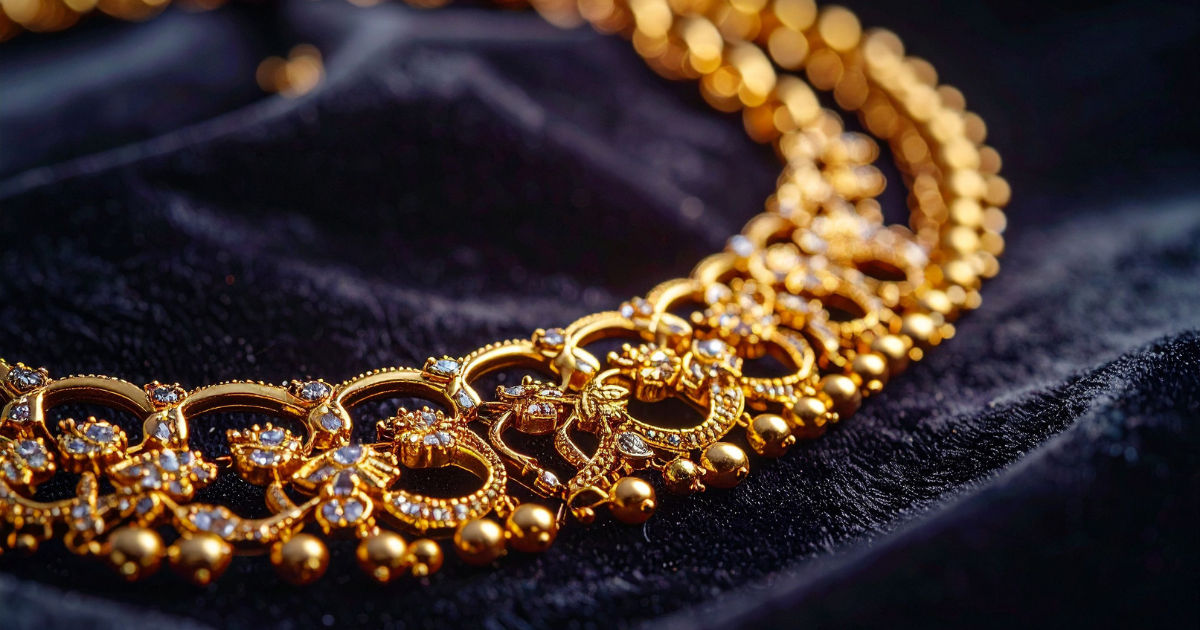
Creating beautiful pieces of Sterling Silver Jewelry is an art that requires skill, patience, and attention to detail.
This guide explores the fundamentals of sterling silver jewelry craftsmanship, from understanding the materials to mastering the techniques used by expert jewelers.
Whether you are a beginner or just curious about how your favorite pieces are made, this guide will provide clear insights into the fascinating world of sterling silver jewelry.
Sterling Silver
Sterling silver is a high-quality silver alloy, composed of 92.5% pure silver and 7.5% other metals, usually copper. This combination improves the metal's strength and durability while maintaining its lustrous shine. Pure silver is too soft for jewelry that is worn daily, so the alloy ensures that the jewelry is both beautiful and functional.
When buying or crafting Sterling Silver Jewelry, it is important to look for the "925" stamp, which indicates the authenticity of the alloy. This mark ensures that the jewelry meets the standard for sterling silver. Over time, sterling silver may tarnish due to exposure to air and moisture, but with proper care, it can maintain its shine for many years.
Essential Tools for Jewelry Making
Crafting sterling silver jewelry requires a range of specialized tools. Understanding and using these tools correctly is essential for both beginners and experienced jewelers. Some of the basic tools include:
-
Jeweler’s saw: Used to cut intricate shapes and designs from silver sheets.
-
Files and sandpaper: Smooth rough edges and refine shapes.
-
Pliers: Essential for bending and shaping wire, opening jump rings, and holding small components.
-
Hammers and mallets: Used for shaping, texturing, and flattening silver pieces.
-
Soldering equipment: Allows jewelers to join silver pieces securely.
-
Polishing tools: Buff and polish jewelry to a high shine.
Each of these tools requires practice to master. Even a simple task like bending wire or filing edges needs precision to avoid damaging the silver. A jeweler’s skill grows with experience and patience.
Techniques in Sterling Silver Jewelry Craftsmanship
Creating sterling silver jewelry involves several techniques that have been refined over centuries. Some of the most common techniques include:
Sawing and Cutting
The first step in many jewelry projects is cutting silver into the desired shapes. Jewelers use a fine jeweler’s saw to carefully cut designs from silver sheets or wire. Precision is key in this step because mistakes are difficult to fix later.
Soldering
Soldering is the process of joining two pieces of silver using a metal alloy that melts at a lower temperature. This technique allows jewelers to create complex designs, such as layered pendants, intricate rings, or delicate earrings. Soldering requires careful temperature control and steady hands to avoid melting or burning the silver.
Hammering and Texturing
Hammering is used to shape silver and add textures. Different hammers create different effects, from a smooth polished surface to hammered textures that catch light beautifully. Texturing adds visual interest and can turn simple designs into stunning statement pieces.
Forging and Shaping
Forging involves shaping silver using tools like hammers, pliers, and mandrels. Rings, bracelets, and bangles often require careful shaping to ensure comfort and perfect fit. Jewelers must also consider the thickness and weight of the silver to avoid breakage or deformation.
Engraving and Etching
Engraving adds intricate designs to the surface of silver jewelry. Using a burin or graver, artisans can carve patterns, initials, or motifs. Etching, a chemical process, is another way to create detailed designs on sterling silver. Both techniques require patience and a steady hand.
Stone Setting
Many pieces of sterling silver jewelry include gemstones. Stone setting is the process of securely placing gemstones in silver settings. Techniques vary depending on the type of stone and the desired effect. Popular methods include bezel setting, prong setting, and channel setting. Stone setting not only enhances the beauty of the piece but also requires precision to prevent damage to the stone or silver.
Designing Sterling Silver Jewelry
Before any cutting or shaping begins, jewelers spend time designing their pieces. Design is the blueprint of every successful piece of jewelry. Some jewelers sketch designs by hand, while others use computer-aided design (CAD) software to create precise digital models.
Designers must consider several factors when creating sterling silver jewelry, including:
-
Proportions: Ensuring that the piece is balanced and visually appealing.
-
Wearability: Considering the comfort and practicality of the design.
-
Aesthetics: Deciding on textures, finishes, and patterns.
-
Durability: Ensuring the jewelry can withstand daily wear.
A good design is the foundation of craftsmanship, as it guides every subsequent step in the creation process.
Finishing Techniques
After the jewelry is shaped and assembled, finishing techniques are applied to enhance its appearance. These techniques include polishing, patination, and plating.
-
Polishing: Using polishing wheels, cloths, and compounds, jewelers buff silver to a mirror-like shine. This step removes scratches and imperfections, giving the piece a professional finish.
-
Patination: This technique involves applying chemicals to silver to create darkened areas, enhancing texture and depth. Patina adds character to jewelry and highlights intricate details.
-
Plating: Some sterling silver jewelry is plated with rhodium or gold to increase shine and prevent tarnishing. Plating can also add a unique color to the jewelry.
Finishing is the final stage where craftsmanship truly shines. Even the most beautifully shaped piece can appear incomplete without proper finishing.
Caring for Sterling Silver Jewelry
Proper care is essential to maintain the beauty of sterling silver jewelry. Silver naturally tarnishes over time due to exposure to air, moisture, and chemicals. However, simple care routines can keep your jewelry looking new.
-
Cleaning: Use a soft cloth or a silver polishing cloth to gently clean jewelry. Avoid abrasive materials that can scratch the surface.
-
Storage: Store silver jewelry in a dry, airtight container to reduce tarnish. Keeping pieces separate prevents scratches.
-
Avoid Chemicals: Remove jewelry before swimming, bathing, or using cleaning products. Chemicals can damage silver and cause discoloration.
-
Regular Maintenance: For intricate pieces or jewelry with gemstones, professional cleaning and inspection ensure long-lasting beauty.
Following these steps extends the life of sterling silver jewelry and preserves the craftsmanship for generations.
Common Challenges in Sterling Silver Jewelry Making
Working with sterling silver comes with unique challenges. One of the main issues is controlling tarnish, which can affect both the appearance and the integrity of the jewelry. Another challenge is soldering, as overheating can weaken joints or damage gemstones.
Additionally, creating consistent shapes and textures requires patience and practice. Even experienced jewelers can struggle with precision when making intricate designs. Understanding these challenges helps both makers and buyers appreciate the skill involved in crafting sterling silver jewelry.
The Art of Handmade vs. Machine-Made Jewelry
Sterling silver jewelry can be handcrafted or machine-made. Handmade jewelry emphasizes artistry, individuality, and detailed craftsmanship. Each piece is unique, often with subtle variations that reflect the artisan’s touch. Handmade pieces can take hours or even days to complete, depending on complexity.
Machine-made jewelry, on the other hand, allows for mass production and uniformity. While it can be precise and efficient, it may lack the personal touch and character of handcrafted pieces. Collectors and enthusiasts often value handmade sterling silver jewelry for its artistry and uniqueness.
Popular Sterling Silver Jewelry Styles
Sterling silver jewelry comes in countless styles, catering to different tastes and occasions. Some popular styles include:
-
Minimalist Designs: Simple rings, bracelets, or necklaces with clean lines and understated elegance.
-
Vintage and Antique: Designs inspired by historical periods, often featuring intricate patterns and detailing.
-
Statement Pieces: Bold and eye-catching jewelry with large stones or complex designs.
-
Nature-Inspired: Jewelry featuring motifs like leaves, flowers, or animals, reflecting organic beauty.
-
Mixed Materials: Combining silver with gemstones, enamel, or wood for a modern twist.
Understanding these styles helps both designers and buyers make informed choices when selecting or creating sterling silver jewelry.
Learning Sterling Silver Jewelry Craftsmanship
For anyone interested in learning sterling silver jewelry making, there are multiple pathways. Many jewelers start with online tutorials or courses, while others attend dedicated jewelry schools. Hands-on experience is essential, as jewelry making involves practical skills that cannot be fully learned from books alone.
Mentorship from experienced jewelers is invaluable, providing guidance on techniques, tool use, and design principles. Practice, patience, and attention to detail are the keys to becoming proficient in sterling silver craftsmanship.
Conclusion
Crafting sterling silver jewelry is a delicate and rewarding art form. From understanding the composition of sterling silver to mastering techniques like sawing, soldering, and finishing, every step requires skill and dedication. The craftsmanship behind each piece of sterling silver jewelry reflects centuries of tradition, creativity, and precision.
Whether handmade or machine-made, sterling silver jewelry combines beauty, functionality, and durability. With proper care, these pieces can last for generations, serving as cherished heirlooms or personal treasures. For aspiring jewelers or jewelry enthusiasts, understanding the fundamentals of sterling silver craftsmanship offers a deeper appreciation for the artistry involved. Every step, from design to finishing, showcases the incredible skill and attention to detail required to create jewelry that is both elegant and enduring.
Sterling silver jewelry is more than just adornment—it is a testament to the timeless craft of human creativity and artistry.