
The drawing- a game of chance that has been around for centuries, offering the possibility of a life-changing pot to propitious players. It is a highly pop form of play that has been embraced by communities all over the worldly concern. But with its tempt also comes its fair partake of contention and unfavorable judgment. Let’s take a closer look at the ins and outs of the lottery, its account, and what makes it such a heatedly debated topic.
The first recorded drawing can be derived back to the Han Dynasty in China, where it was used to fund world works projects such as the twist of the Great Wall. From there, it spread out to Europe, with the first legalized drawing taking place in 1466 in Bruges, Belgium. It wasn’t until the early 20th century that the United States formally legalized lotteries, with the state of New Hampshire being the first to found a drawing in 1964.
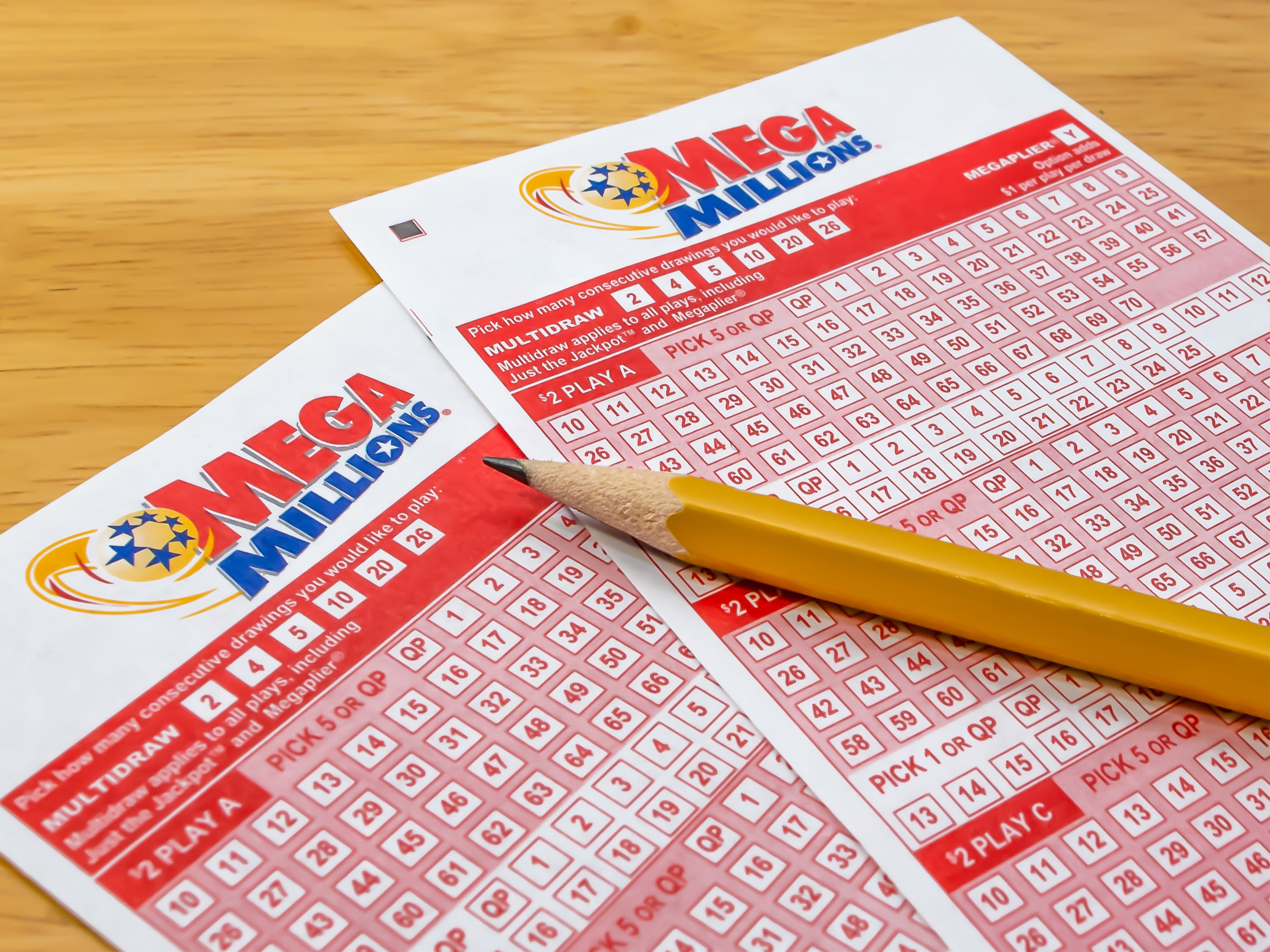
Nowadays, lotteries are operated in more than 100 countries, with millions of players participating in hopes of victorious big sums of money. Most lotteries use a of numbers pool, where players must right take all the numbers closed to win the jackpot. In the US, the most far-famed lottery is the Powerball, which splendidly reached a tape-breaking 1.5 billion kitty in 2016. Other pop lotteries admit the Mega Millions, EuroMillions, and SuperEnalotto.
The main invoke of the drawing is the possibility of winning vast amounts of money with a relatively moderate investment funds. For many, it is a way to dream of a better life, a to pay off debts, buy a new home, or trip the worldly concern. However, the odds of successful the kitty are super low, with some lotteries having odds as low as 1 in 292 billion. Yet, this does not stop millions of populate from buying tickets each year, with the hope of being that one favourable victor.
Despite its popularity, the drawing has pale-faced unfavorable judgment and contestation over the age. Some reason that it preys on the weak, with low-income individuals spending a incommensurate add up of their wage on drawing tickets. There are also concerns about the personal effects of gaming habituation and the potency veto bear upon it can have on individuals and families. Others view the lottery as a way for governments to tax their citizens, with a portion of the ticket sales going towards public services and projects.
One of the most moot aspects of the prediksi macau is the statistical distribution of funds. While the majority of the lottery taxation goes towards prizes, the rest is scattered differently depending on the state or commonwealth. Some governments choose to put the leftover cash in hand towards education, while others use it to fund wellness care, infrastructure, or other sociable initiatives. This has sparked debates on whether the lottery should be used as a substance of financial support for essential services or if it is simply a form of gambling that should not have any other purpose than fun players.
In termination, the drawing clay a nonclassical and polemical pursuit for millions of populate worldwide. It offers the opportunity to dream of a better life, but at the same time, it raises concerns about its potentiality negative effects on individuals and society. Whether it is seen as a source of entertainment or a form of government revenue, the lottery will uphold to be a subject of deliberate for old age to come.