
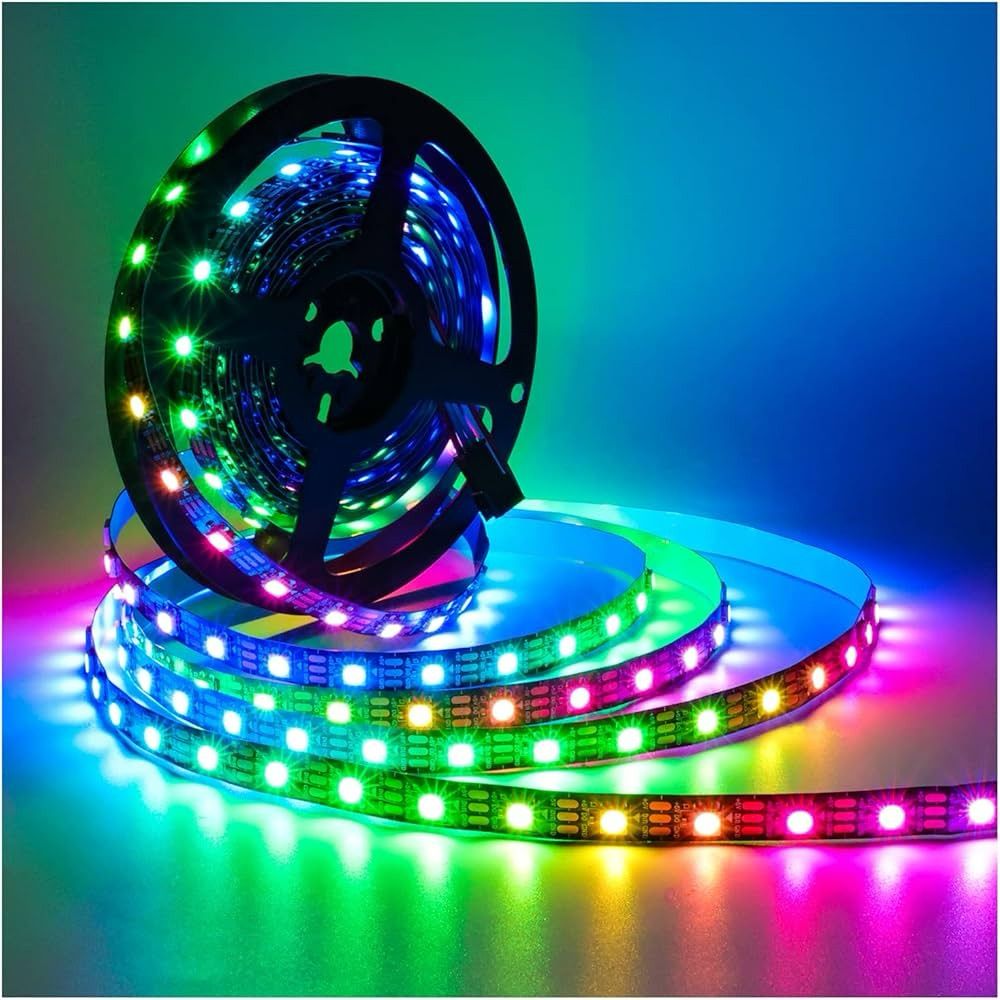
In the age of rapid urbanization and digital transformation, lighting has evolved far beyond simple illumination. Today, LED Module are at the heart of smart city infrastructure and Internet of Things (IoT) systems — driving sustainability, connectivity, and intelligent automation. Let’s explore how these compact yet powerful components are shaping the future of lighting in our cities and homes.
1. What Are LED Modules?
LED modules are compact, self-contained units that consist of one or more light-emitting diodes (LEDs), integrated with circuitry and optics. They are designed for easy installation and efficient operation across various applications — from streetlights and billboards to industrial systems and smart homes.
Unlike traditional bulbs, LED modules offer high brightness, low energy consumption, and a long lifespan — making them the perfect choice for smart and sustainable environments.
️ 2. The Rise of Smart Lighting Systems
As cities grow, lighting systems must become more intelligent and efficient. Smart lighting — powered by LED modules — can automatically adjust brightness based on the time of day, weather conditions, or pedestrian presence.
For example, IoT-enabled LED streetlights can dim when roads are empty and brighten when vehicles or people approach. This not only saves energy but also enhances safety and reduces light pollution.
3. LED Modules and Sustainability
Energy efficiency is at the core of every smart city initiative. LED modules consume up to 80% less power compared to traditional lighting systems, significantly reducing carbon footprints.
Additionally, since they last much longer, maintenance and replacement costs are minimized — making them ideal for large-scale urban applications.
By 2030, experts predict that global adoption of LED lighting could reduce electricity demand for lighting by nearly 40%, helping cities meet sustainability goals faster.
4. Integration with IoT: The Next Step in Lighting Evolution
The integration of LED modules with the Internet of Things (IoT) opens the door to endless possibilities. IoT-connected LED modules can communicate with sensors, networks, and cloud platforms to gather data and respond intelligently.
Examples include:
-
Adaptive Traffic Lighting: LEDs that change brightness or color based on traffic flow.
-
Environmental Monitoring: Smart streetlights equipped with sensors to detect air quality, humidity, and noise levels.
-
Security Enhancement: Motion-sensing LED modules that alert authorities during unusual activity.
Through real-time data exchange, these systems help cities optimize energy usage, improve safety, and deliver a better quality of life.
️ 5. Smart Cities Leading the Way
Cities like Singapore, Seoul, and Amsterdam have already adopted large-scale smart lighting systems using advanced LED modules.
For instance:
-
Singapore’s Smart Nation Initiative uses LED streetlights connected to a centralized IoT platform for traffic and environmental monitoring.
-
Amsterdam Smart City Project integrates LED modules into public lighting to track energy performance and reduce emissions.
These examples demonstrate how LEDs go beyond lighting — they’re transforming cities into responsive, data-driven ecosystems.
6. Future Innovations in LED Technology
The future of LED modules looks even brighter with emerging innovations such as:
-
Mini and Micro LEDs – offering better brightness control and color precision.
-
Power-over-Ethernet (PoE) LED Systems – simplifying installation and connectivity.
-
AI-Powered Lighting Control – automatically adjusting lighting patterns using artificial intelligence.
-
Solar-Powered LED Modules – supporting off-grid and eco-friendly urban lighting solutions.
As these technologies mature, LED modules will continue to push the boundaries of efficiency and intelligence.
7. The Bottom Line: Lighting the Smart Future
LED modules are more than lighting components — they are the building blocks of smart, sustainable cities.
Their integration with IoT systems is revolutionizing how cities manage energy, safety, and data. As global populations rise and urban areas expand, the demand for efficient and intelligent lighting solutions will only continue to grow.