
Streetwear is often mistaken as just a style of clothing, but the truth is far deeper. Today, streetwear transcends fabrics and logos—it reflects identity, community, art, and social movements.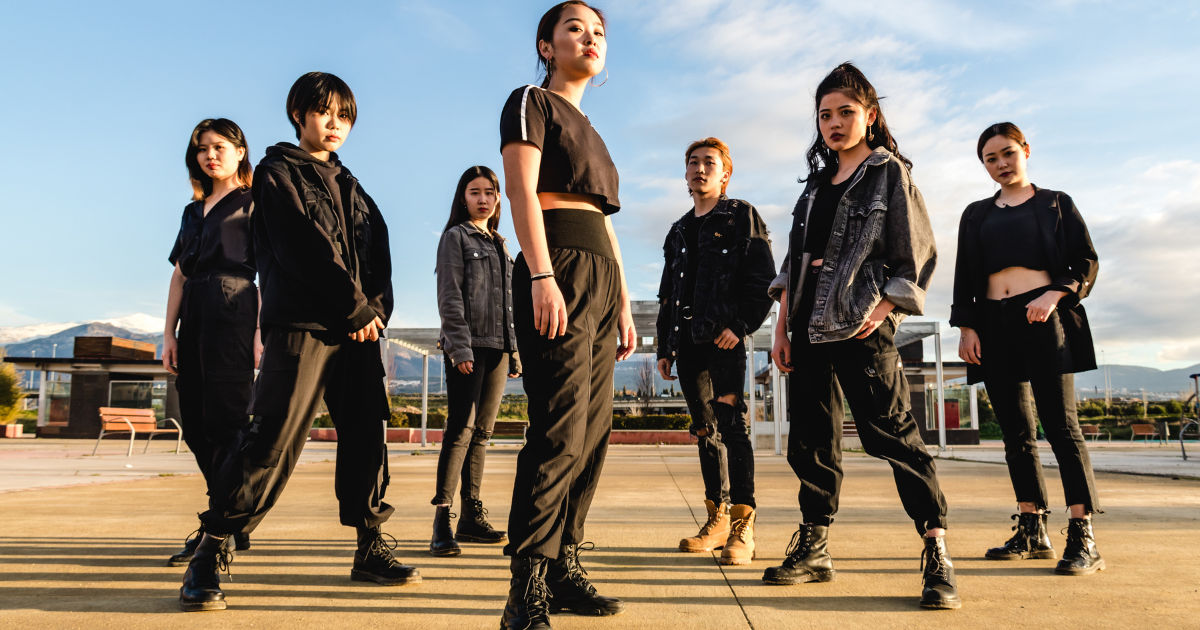
Among the leading influences shaping modern streetwear, Corteiz Streetwear Culture stands out as a prime example of how fashion can embody lifestyle, mindset, and self-expression.
This post explores why streetwear is more than just clothing and how it has evolved into a cultural phenomenon.
The Origins of Streetwear
Streetwear emerged from urban centers in the late 1970s and early 1980s. It began as a fusion of skateboarding, punk, hip-hop, and surf cultures. In cities like New York, Los Angeles, and Tokyo, young people needed clothing that was comfortable, durable, and expressive. Streetwear filled that gap.
Skateboarders wore loose-fitting jeans, graphic tees, and sneakers for mobility. Hip-hop artists embraced bold logos, oversized clothing, and statement sneakers. Over time, these styles converged, giving rise to the urban aesthetic we now identify as streetwear.
Corteiz Streetwear Culture has carried this legacy forward by emphasizing authenticity, boldness, and creative collaboration. It embodies how streetwear has always been more than just clothes—it’s a lifestyle.
Streetwear as Identity
One of the defining features of streetwear is its role in self-expression. Unlike traditional fashion, which often follows seasonal trends, streetwear allows individuals to showcase their personality and beliefs.
People use streetwear to communicate without words. A pair of sneakers, a hoodie with a specific logo, or a limited-edition t-shirt can signal affiliations, hobbies, or values. For instance, Corteiz Streetwear Culture is known for limited drops, which create a sense of exclusivity and community identity among its followers.
Streetwear fans often mix high-fashion pieces with casual items, blending personal taste with cultural references. This ability to curate one’s wardrobe as a form of storytelling is what separates streetwear from mere clothing.
The Influence of Music and Art
Music has always played a critical role in streetwear culture. Hip-hop, punk, and EDM have each contributed to the evolution of streetwear styles. Artists like Run-DMC, Nigo with BAPE, and Pharrell Williams have shaped how streetwear communicates personality and status.
Visual art also intertwines with streetwear. Graffiti, digital art, and even performance art find their way onto apparel. Corteiz Streetwear Culture actively collaborates with artists to create pieces that are both wearable and culturally significant, turning clothing into moving art that carries meaning beyond aesthetics.
Community and Social Connection
Streetwear isn’t just about individual style—it fosters community. Fans of brands like Supreme, Off-White, and Corteiz Streetwear Culture often gather online and offline to discuss drops, trade items, or attend events. These interactions create social bonds that transcend geography or background.
Local streetwear communities also support creativity. Designers, illustrators, and photographers find opportunities to collaborate and showcase their work. In this sense, streetwear acts as a platform for collaboration, empowerment, and shared identity.
Limited Editions and Exclusivity
A crucial element of streetwear is the concept of scarcity. Limited editions and exclusive drops are not just marketing—they create cultural moments. The hype surrounding a release encourages conversation, creativity, and community participation.
Corteiz Streetwear Culture exemplifies this approach. Its releases often sell out quickly, sparking discussions online and offline about authenticity, style, and social significance. The limited nature of these items turns them into symbols of belonging, achievement, and cultural awareness.
Streetwear as a Statement
Streetwear has always been used to make statements—political, social, or personal. Slogans on tees, symbolic colors, or distinctive designs allow wearers to communicate opinions without speaking.
Brands that embrace activism or highlight marginalized voices often gain respect within the streetwear community. Corteiz Streetwear Culture, for instance, frequently incorporates themes that resonate with youth movements, social change, and urban identity, proving that streetwear can be a powerful tool for messaging.
Globalization and Cross-Cultural Influence
Streetwear is no longer confined to one city or country. Thanks to social media and global logistics, trends spread rapidly across continents. A hoodie designed in Copenhagen can be worn in Tokyo, New York, or Lagos, creating a shared global language of style.
Corteiz Streetwear Culture leverages this global reach, appealing to diverse audiences while staying true to its roots. Its approach demonstrates that streetwear thrives when it balances local authenticity with global relevance.
Streetwear and Technology
Modern streetwear isn’t just about clothing—it intersects with technology. Apps, e-commerce, and social media allow brands to communicate directly with fans. Virtual fashion, NFT drops, and augmented reality collaborations are now part of the streetwear ecosystem.
By integrating technology, brands like Corteiz Streetwear Culture create interactive experiences. Fans can preview items digitally, participate in virtual drops, and engage with the brand in innovative ways. This integration shows how streetwear evolves beyond fabric into immersive culture.
Streetwear in Popular Culture
Celebrities, athletes, and influencers have played a huge role in spreading streetwear culture. When artists or public figures adopt streetwear brands, they transform them into mainstream symbols. However, authenticity remains key—fans quickly notice if a brand loses its cultural roots.
Corteiz Streetwear Culture maintains authenticity by emphasizing creative collaborations, community interaction, and cultural relevance rather than simply relying on celebrity endorsements. This approach reinforces the idea that streetwear is a living culture, not just a marketing tool.
The Role of Fashion Shows and Pop-Ups
Streetwear brands often bypass traditional fashion shows in favor of pop-ups, online drops, and street events. These unconventional presentations foster intimacy and excitement within the community.
Pop-ups create direct interactions between designers and fans, strengthening brand loyalty. Corteiz Streetwear Culture utilizes these events to provide not just clothing, but experiences—turning a purchase into a memory, a story, and a cultural connection.
The Economic Impact of Streetwear
Streetwear is not only a cultural force but an economic powerhouse. Limited-edition releases, collaborations, and reselling markets generate billions annually. Sneaker reselling, for example, has become a multibillion-dollar industry.
Brands like Corteiz Streetwear Culture strategically leverage scarcity, branding, and lifestyle appeal to sustain economic value while staying culturally relevant. Streetwear’s commercial success demonstrates how a subculture can influence mainstream markets without losing authenticity.
Sustainability and Ethical Considerations
As streetwear grows, so does the awareness of sustainability and ethical production. Many brands now focus on eco-friendly materials, fair labor practices, and long-lasting designs.
Corteiz Streetwear Culture has started exploring sustainable production methods, showing that streetwear can combine cultural impact with environmental responsibility. This evolution proves that the culture behind the clothing is as important as the clothing itself.
Streetwear as Art and Expression
Streetwear is a living form of art. Each piece carries meaning, whether through graphics, collaborations, or personal interpretation. Fans curate outfits like gallery exhibits, blending textures, colors, and symbols.
The creativity within Corteiz Streetwear Culture emphasizes that streetwear is not just worn—it’s displayed, performed, and interpreted. This reinforces the idea that streetwear is a medium for expression, much like painting, music, or performance.
How Streetwear Shapes Social Norms
Streetwear challenges traditional fashion norms by rejecting elitism and embracing inclusivity. Unlike haute couture, streetwear thrives on accessibility and diversity. People from different backgrounds, races, and identities can participate and contribute.
Corteiz Streetwear Culture exemplifies this ethos, bridging gaps between urban subcultures, global markets, and creative disciplines. It proves that fashion can be a unifying social force.
The Future of Streetwear
Looking forward, streetwear will continue evolving beyond clothing. Digital integration, sustainable practices, and global collaborations will shape the next phase. Streetwear will remain an authentic reflection of youth, creativity, and community values.
Corteiz Streetwear Culture will likely continue leading the way by combining authenticity, exclusivity, and cultural relevance. As streetwear continues to intersect with technology, music, and art, it will remain a significant cultural force, demonstrating that it is far more than just what we wear—it is who we are.
Conclusion
Streetwear culture transcends its material form. It is identity, art, community, economic strategy, and cultural statement all rolled into one. Through brands like Corteiz Streetwear Culture, we see that clothing can be a tool for expression, belonging, and change.
Understanding streetwear requires looking beyond the garments to the mindset, stories, and communities behind them. Each hoodie, sneaker, or tee is a symbol of creativity, passion, and social connection. Streetwear proves that fashion is not just about covering the body—it is about shaping culture, defining identity, and inspiring movement.
Whether you’re a fan, collector, or casual observer, streetwear challenges you to consider fashion in a new light. It reminds us that clothing is more than fabric—it is a declaration of individuality, a celebration of community, and a reflection of our ever-evolving society.
In the end, streetwear teaches an important lesson: what we wear is not just about looking good—it’s about belonging, expressing, and influencing the world around us. And with brands like Corteiz Streetwear Culture, this lesson is clearer than ever.